Black Business

The African American Origins of Memorial Day — And the Erasure That Followed

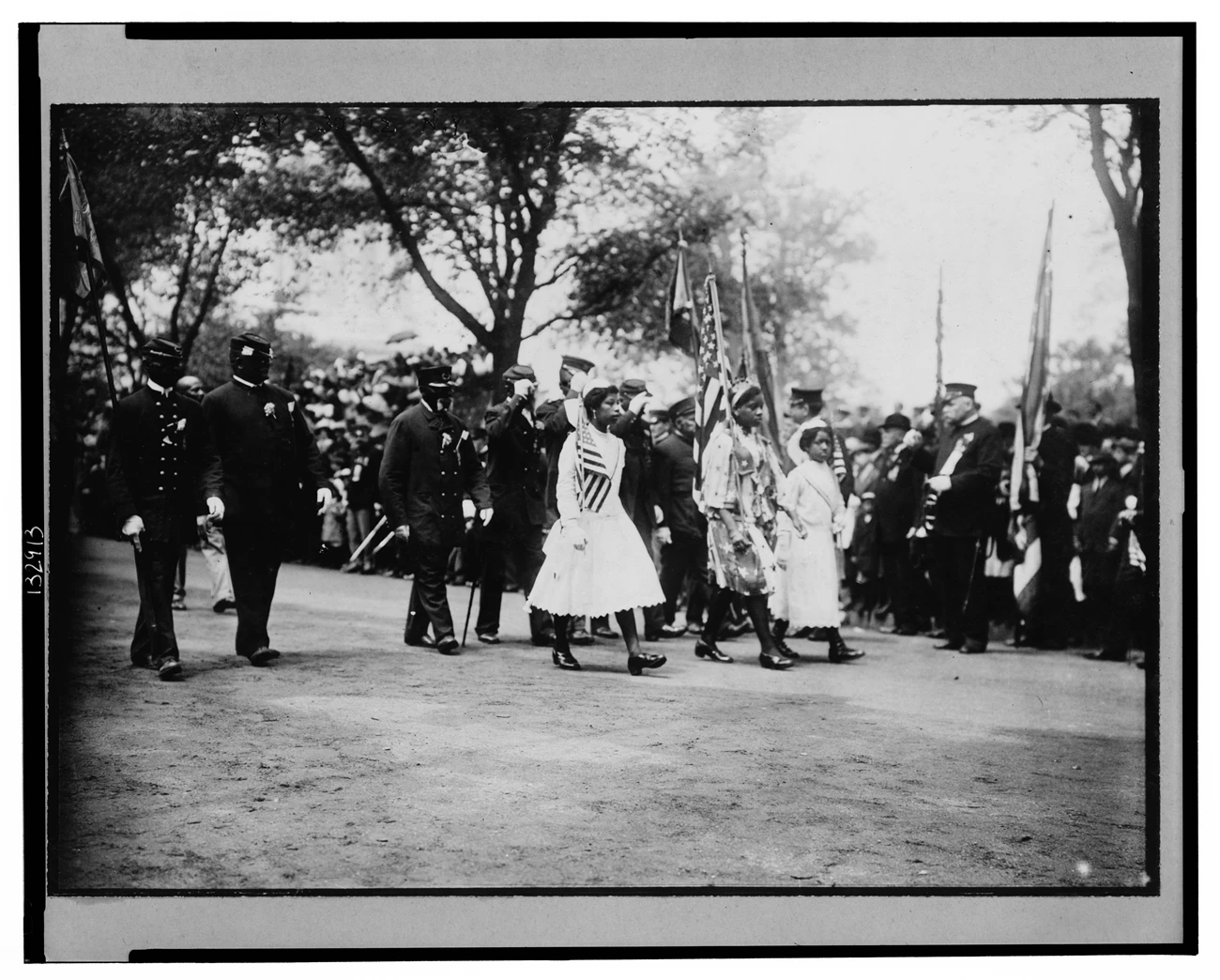
Every year, Americans gather on Memorial Day to honor the men and women who died serving in the United States military. Flags are raised, graves are decorated with flowers, and speeches are delivered in remembrance of sacrifice and patriotism. Yet few Americans know that one of the earliest and most profound Memorial Day commemorations was organized by formerly enslaved African Americans in Charleston, South Carolina, just weeks after the Civil War ended. The story is not only a powerful testament to Black patriotism and humanity — it is also a revealing example of how African American contributions to American history have too often been erased, minimized, or forgotten. According to historian David W. Blight in his landmark 2001 book Race and Reunion, a remarkable commemoration took place on May 1, 1865, in Charleston, South Carolina. At the site of a former planters’ racetrack — converted during the war into an open-air Confederate prison camp — Union soldiers had suffered horrific conditions during the final year of the Civil War. At least 257 Union prisoners died there, many from disease and exposure, and were buried in unmarked mass graves by retreating Confederate forces. Recently freed Black residents of Charleston refused to allow those soldiers to remain forgotten. In an extraordinary act of remembrance and gratitude, formerly enslaved African Americans, joined by white missionaries and Union troops, exhumed the bodies and gave the fallen soldiers proper burials. They carefully reinterred the dead in individual graves, built a whitewashed fence around the cemetery, and erected an archway bearing the words: “Martyrs of the Race Course.” On May 1, 1865, approximately 10,000 people gathered for a solemn yet celebratory tribute. The procession was led by nearly 3,000 Black schoolchildren carrying flowers and singing patriotic songs. Black women followed with baskets of roses and wreaths, while Union regiments — including the 35th and 104th United States Colored Troops and the famed 54th Massachusetts Infantry Regiment — marched in honor of the dead. The ceremony included prayers, speeches, singing, and military drills before the crowd dispersed to decorate the graves with flowers. It was a public declaration that the sacrifices of Union soldiers had helped secure freedom for millions of enslaved people. As Blight later wrote, this tribute “gave birth to an American tradition.” In many ways, Memorial Day was founded by African Americans in a ritual of remembrance, gratitude, and consecration. Yet despite the significance of this event, the Black origins of Memorial Day were largely pushed aside in the decades that followed. In 1868, General John A. Logan, leader of a Union veterans’ organization known as the Grand Army of the Republic, formally established a national day of remembrance called “Decoration Day” through General Order No. 11. The holiday encouraged Americans to decorate the graves of fallen Union soldiers and was first widely observed on May 30, 1868. Over time, Decoration Day evolved into what Americans now know as Memorial Day. But as the nation moved into the Jim Crow era, the original Charleston commemoration organized by freed slaves faded from public memory. Historians note that many white Americans sought reconciliation between the North and South after Reconstruction ended, often at the expense of acknowledging the central role African Americans played in securing Union victory and redefining freedom in America. The story of Memorial Day gradually shifted into a broader narrative honoring soldiers on both sides of the Civil War, while the emancipationist meaning behind the original Charleston ceremony was diminished. The Black citizens who organized the first large-scale tribute to fallen Union soldiers were rarely mentioned in textbooks, public ceremonies, or popular history. For decades, the Charleston event was largely forgotten until historian David Blight rediscovered accounts of the ceremony in archival records during the 1990s while conducting research at Harvard University. The rediscovery forced America to confront an uncomfortable truth: African Americans were not merely passive recipients of freedom after the Civil War — they were active architects of the nation’s democratic memory. The May 1, 1865, ceremony in Charleston stands as a powerful reminder that Memorial Day began not simply as a military observance, but as an act of liberation, gratitude, and moral witness led by formerly enslaved people who understood the true cost of freedom. Today, as Americans commemorate Memorial Day, the story of Charleston deserves its rightful place in the nation’s collective memory. Recognizing the Black origins of Memorial Day does not diminish the holiday; rather, it deepens its meaning by honoring those who first understood that remembrance itself could be an act of justice. The legacy of those freed men, women, and children who gathered among the graves in Charleston in 1865 still speaks across generations. Their tribute was not only about mourning the dead — it was about declaring, in the aftermath of slavery and war, what kind of nation America could become. Resource. https://www.nps.gov/articles/000/african-american-memorial-day.htm